The humidity in Junagadh was thick enough to swallow the light of the moon. In a small, cluttered room overlooking the ancient silhouette of Uparkot Fort, twenty-year-old Aarav sat bathed in the clinical blue glow of three monitors.
To the outside world, he was a history student with a penchant for daydreaming; to the motherboard beneath his fingers, he was a god of logic.
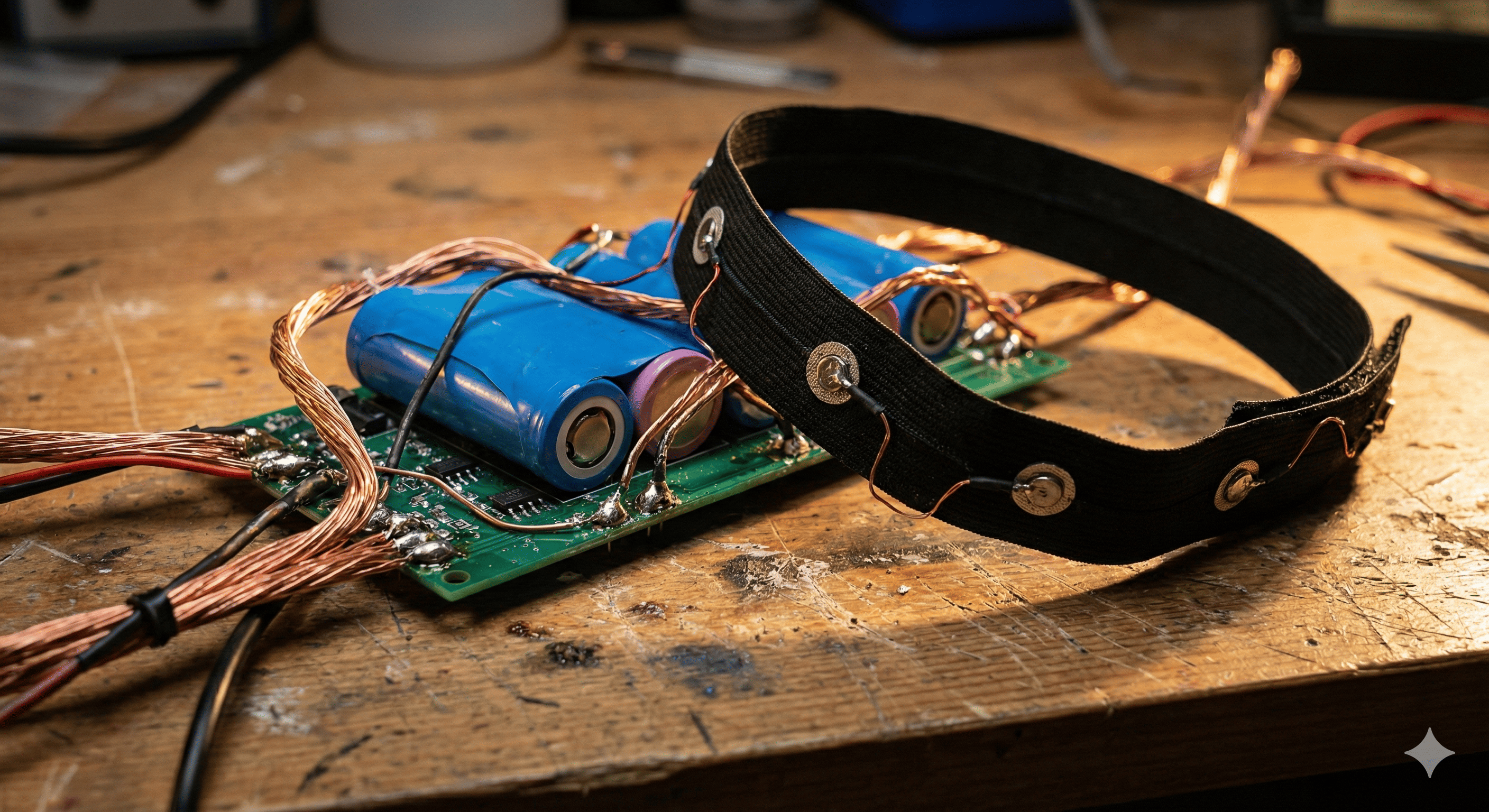
On his desk sat the "Chronos-V1"—a mess of soldered copper, lithium-ion cores, and a sleek, conductive neuro-headband. Aarav wasn't trying to build a time machine to conquer the world; he was trying to solve a ghost in the machine.
A notification chirped on his phone. A message from his best friend, Kabir:
Aarav sighed. "If only," he whispered. "But the past is a closed book, Kabir. You can’t edit the source code."
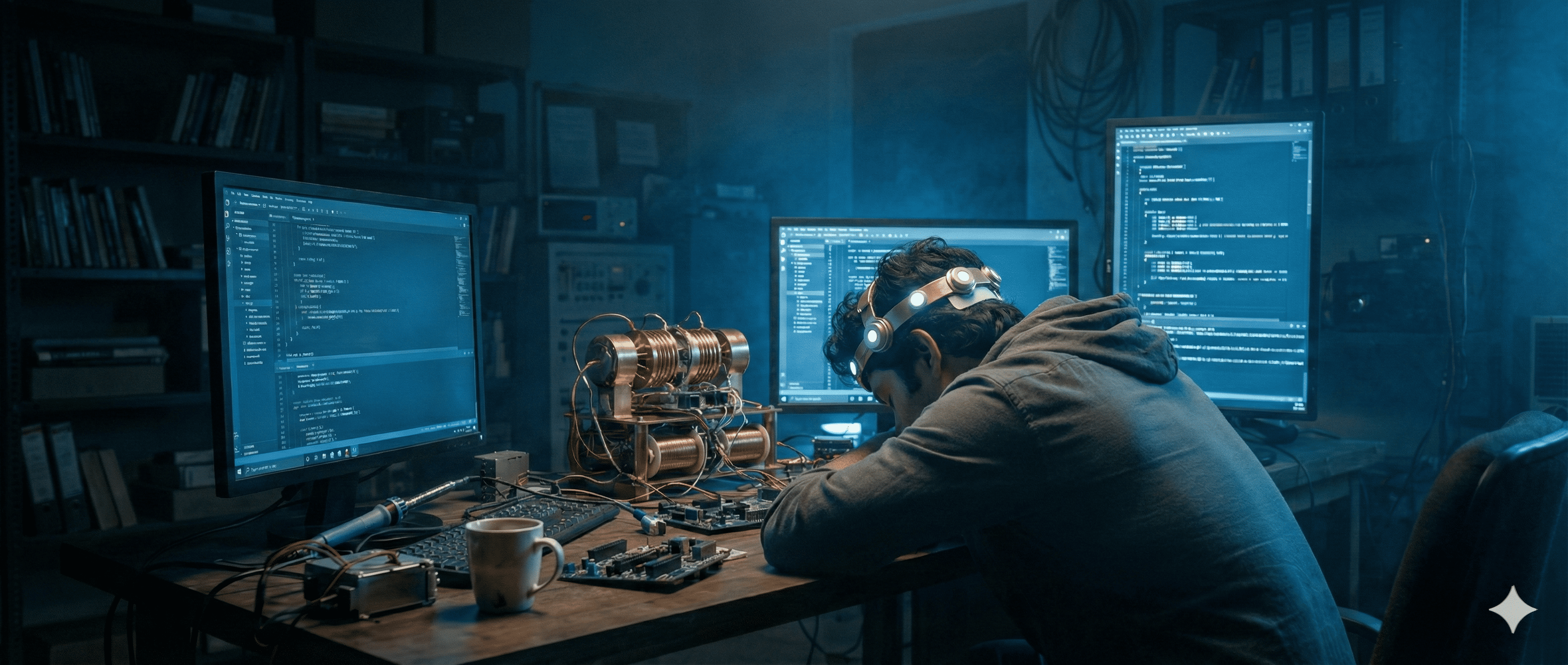
He slid the neuro-headband over his brow. The haptic sensors hummed, syncing with his pulse. He was tracking his Delta-wave patterns to see if he could "pre-visualize" complex chemical structures while he slept.
Outside, the sky turned a bruised, violent purple.
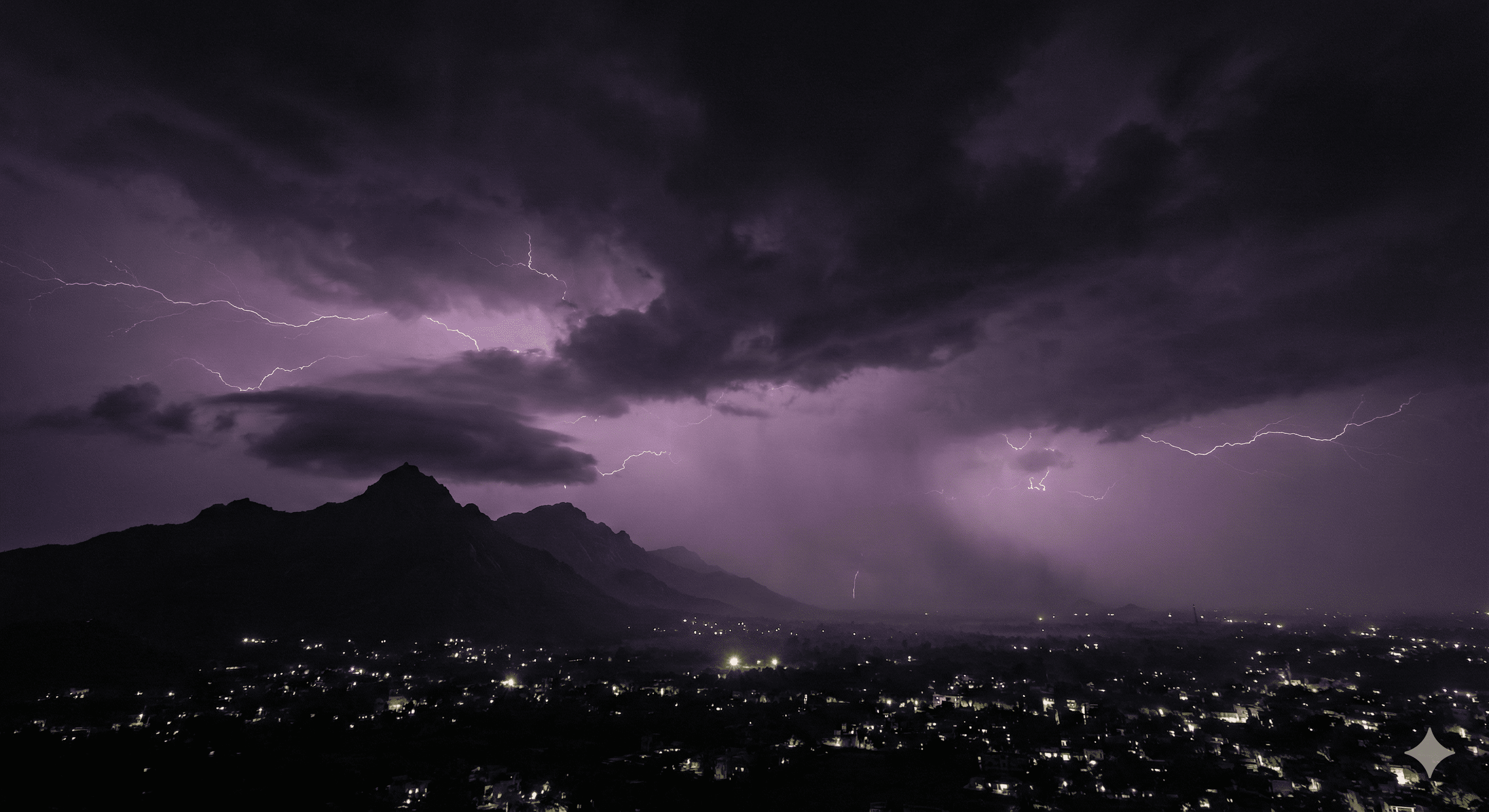
A freak monsoon cell had formed over the Girnar hills, crackling with an unnatural amount of static electricity. As Aarav’s eyes fluttered shut, the atmosphere reached a breaking point.
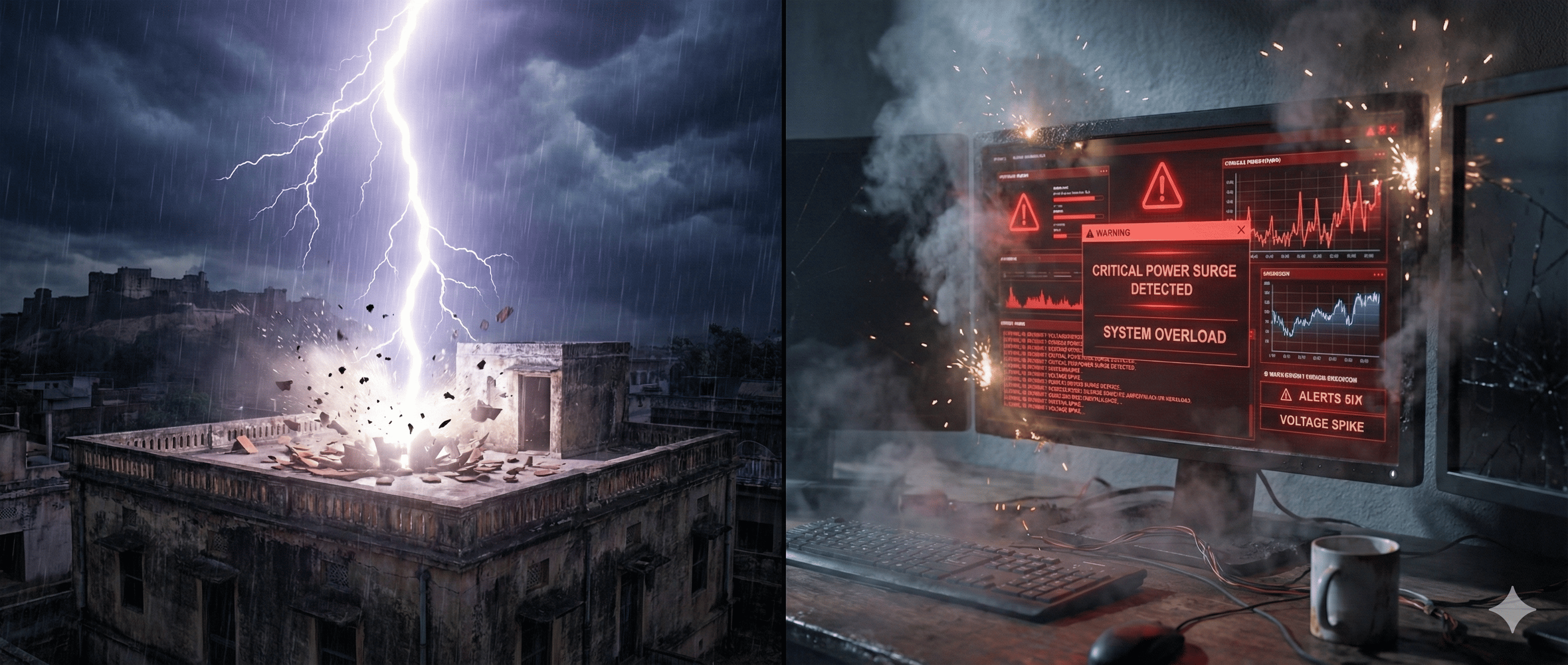
A bolt of white lightning struck the local power transformer, sending a massive, unshielded surge directly into the house's grid. The surge hit Aarav’s workstation. The safety fuses didn't just blow; they vaporized.
The neuro-headband turned into a halo of blinding light. The air in the room began to ripple like water. The scent of ozone was replaced by the smell of parched earth and horse sweat.
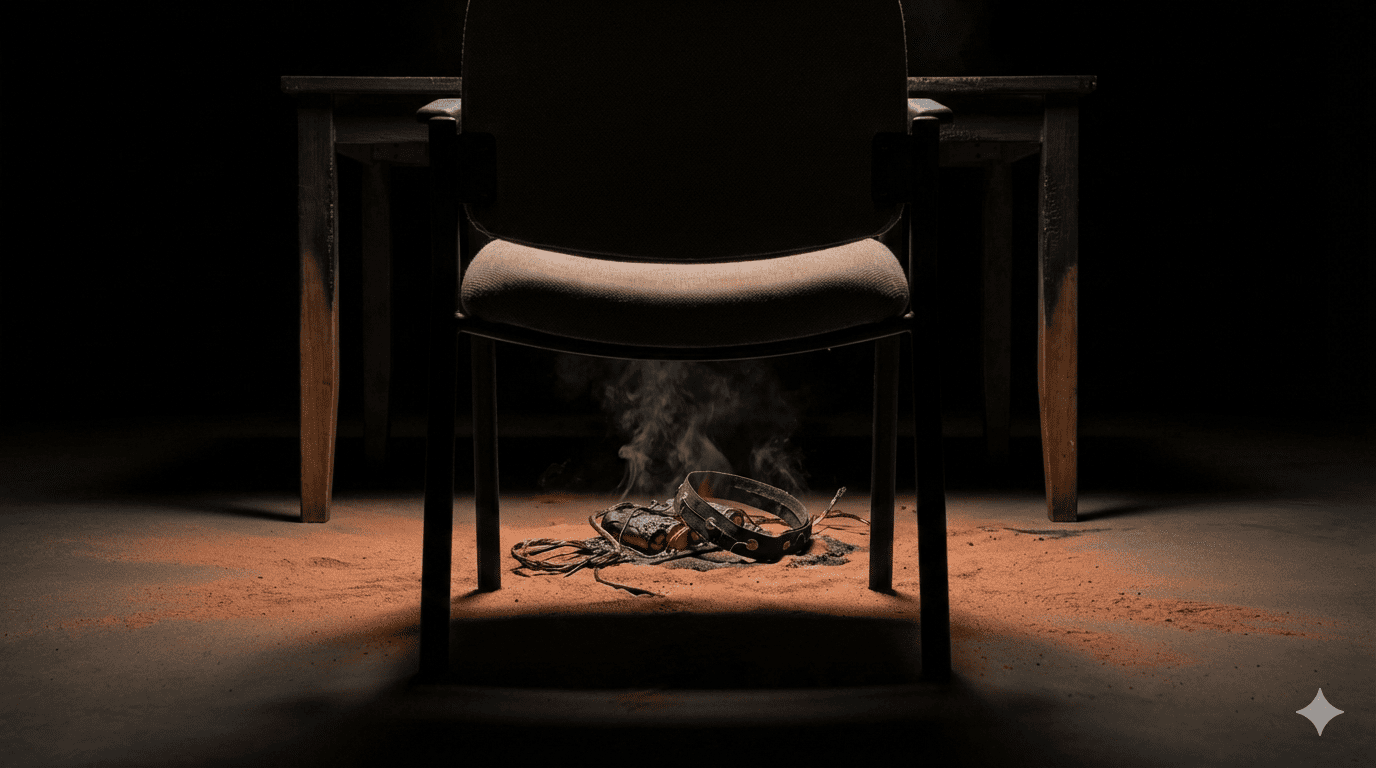
In a silent explosion of light, the room went empty. The monitors were dark. The chair was vacant.
The year 2026 had lost a genius. But in the year 1572, beneath the shadow of a fort that was no longer a ruin, a miracle was about to wake up.